Alexithymia & Anxiety: Overlaps & Your Online Test Guide
Do you ever feel a storm of anxiety inside, but when someone asks what’s wrong, you can't find the words? This frustrating experience—feeling a powerful emotion without being able to name it—is more common than you might think. Many people live with a confusing overlap between anxiety and a trait called alexithymia, which is a difficulty in identifying and describing feelings.
Ever felt lost in that anxiety fog? Let's unpack how alexithymia might be playing a role—and spot the signs together. Most importantly, we'll show you how a reliable online alexithymia test can be a powerful first step on your journey toward greater self-awareness and emotional understanding.
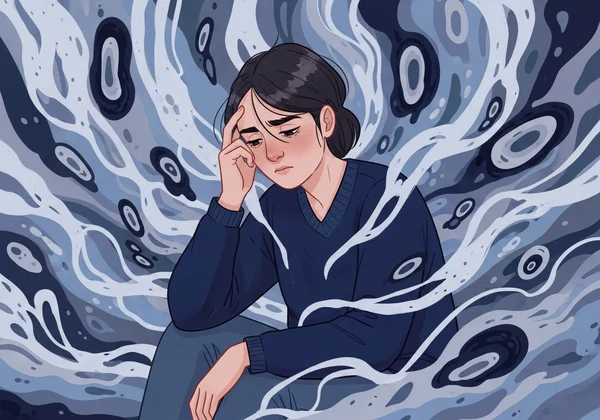
Understanding the Alexithymia and Anxiety Connection
Before we dive into how alexithymia and anxiety interact, it's essential to understand what each one is on its own. They are distinct concepts, but their paths often cross, creating a cycle that can be difficult to break without the right knowledge.
What is Alexithymia? More Than Just Emotional Numbness
Alexithymia is not a mental health disorder but a personality trait characterized by a subclinical inability to recognize and verbalize one's own emotions. It's not about being emotionless; the feelings are there, but they are like a language you haven't learned to speak.
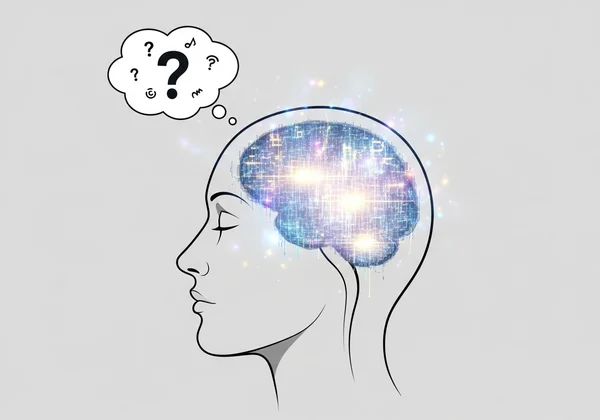
People with high alexithymia traits often experience:
- Difficulty Identifying Feelings: Struggling to know if they are feeling sad, angry, or afraid.
- Trouble Describing Emotions to Others: Using vague phrases like "I feel weird" or "I'm not feeling right."
- Limited Inner World: Having fewer daydreams or fantasies and a more logical, externally-focused thinking style.
- Confusion Between Emotions and Bodily Sensations: Mistaking the physical symptoms of anxiety (like a racing heart) for a medical issue rather than an emotional response.
Imagine your emotions are signals from your body. For someone with alexithymia, those signals are fuzzy, making it hard to interpret the message.
Decoding Anxiety: Common Forms and Core Experiences
Anxiety, on the other hand, is a well-known emotional and physiological response to a perceived threat. While a little anxiety is a normal part of life, for many, it can become a persistent and overwhelming condition, such as Generalized Anxiety Disorder (GAD) or Social Anxiety.
The core experience of anxiety often includes:
- Mental Symptoms: Constant worry, racing thoughts, and catastrophizing (imagining the worst-case scenario).
- Emotional Symptoms: A sense of dread, panic, irritability, or feeling constantly "on edge."
- Physical Symptoms: A rapid heartbeat, shortness of breath, tense muscles, sweating, and digestive issues.
Anxiety is the body’s alarm system. But sometimes, that alarm gets stuck in the "on" position, ringing even when there's no immediate danger.
Exploring the Alexithymia Anxiety Overlap: Shared Symptoms & Struggles
This is where things get complicated. Alexithymia and anxiety can create a powerful feedback loop, where each one makes the other worse. Understanding this dynamic is key to finding a way forward.
How Alexithymia Can Intensify Anxiety (and Vice Versa)
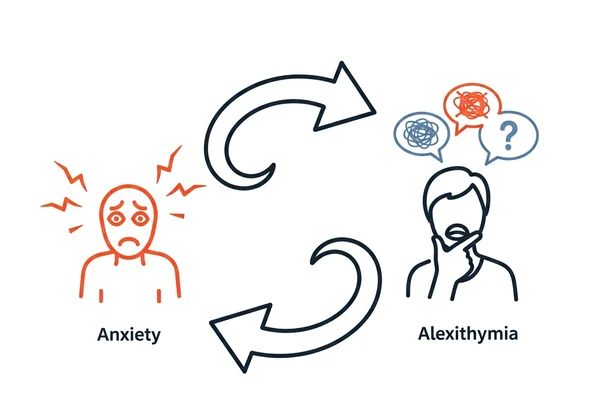
Can't name that racing heart as 'stress'? Your brain might see it as a heart attack instead. This mix-up fuels panic fast. This misinterpretation of bodily cues is a direct pathway to panic and heightened anxiety. The nameless dread feels more threatening than a fear you can identify.
Chronic anxiety wears you out. It keeps you on high alert. Over time, you might numb feelings to cope. That can mimic alexithymia. It becomes a protective mechanism that, while helpful in the short term, ultimately disconnects you from your inner world. If you're ready to explore your traits, gaining insight is the first step.
Recognizing Overlapping Symptoms: Is It Both or Just One?
Because of this intense interplay, it can be hard to tell where anxiety ends and alexithymia begins. Many of their signs can look the same from the outside.
Here are some common overlapping struggles:
- Social Avoidance: You might avoid social situations. Is it because you fear judgment (social anxiety), or because you find navigating the emotional cues of others confusing and exhausting (alexithymia)?
- Physical Tension: Chronic muscle aches, headaches, and stomach problems are classic signs of both anxiety and unexpressed, internalized emotions.
- Difficulty in Relationships: Partners and friends may feel shut out. This could stem from your fear of vulnerability (anxiety) or from a genuine difficulty in articulating your feelings of affection and care (alexithymia).
To find a clue, ask yourself this: Is the problem not knowing what I feel, or is it knowing that I feel fear but not knowing why? The first points more toward alexithymia, while the second is more typical of anxiety. Often, the answer is a bit of both.
When to Consider an Online Alexithymia Test for Anxiety Insights
If this sounds familiar, you might feel stuck. How can you manage your anxiety if you can't even connect with the feelings that are fueling it? This is where a structured self-assessment tool can become an invaluable guide.
Taking the First Step: Self-Exploration for Deeper Understanding
For many, especially those already in therapy or considering it, an online test is a private, low-pressure way to gather information about yourself. It provides a framework for your experiences and gives you a new vocabulary to discuss them. Instead of saying "I don't know how I feel," you might discover patterns in your responses that point toward a difficulty with emotional identification.
This isn't about labeling yourself. It’s about empowering yourself with knowledge. Understanding that alexithymia might be part of your experience can be a relief—it provides a reason for lifelong struggles and opens the door to new, targeted coping strategies.
How Our Alexithymia Test Can Illuminate Your Anxiety Journey
Our goal is to make self-exploration easier and life richer. Our test draws from proven tools like the OAQG-2. It delivers clear insights into how you process emotions.
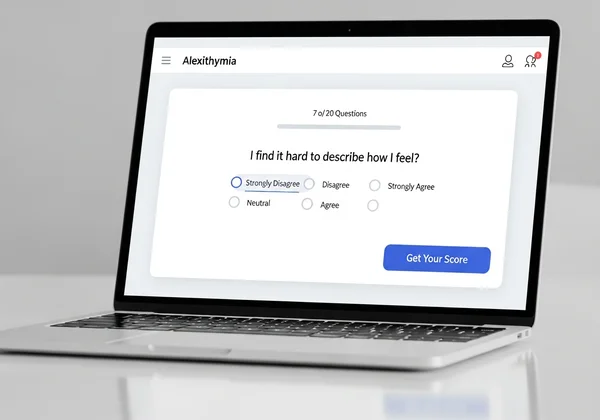
Here’s how it works:
- Take the Free Test: Answer a series of straightforward questions about your experiences with feelings and emotions.
- Get Your Instant Score: Upon completion, you’ll receive a free summary score that gives you a preliminary understanding of where you fall on the alexithymia spectrum.
- Unlock Your AI Personalized Report: For those seeking deeper insights, you have the option to receive a unique AI-powered report. This detailed analysis goes far beyond a simple score, offering personalized insights into your strengths, challenges, and actionable steps you can take to improve your emotional awareness.
This tool is a starting point, a map to help you navigate your inner world. Discover your profile and see what you can learn about yourself today.
Your Path to Emotional Clarity: Taking the Next Step
The link between alexithymia and anxiety is complex but not insurmountable. Recognizing that your struggle to name your feelings might be fueling your anxiety is a monumental step toward gaining control. It shifts the focus from "what's wrong with me?" to "what can I learn about myself?"
Self-knowledge is the foundation of growth. By understanding your unique emotional landscape, you can begin to develop strategies that work for you, whether that’s through journaling, mindfulness, or sharing your insights with a mental health professional.
Ready to gain clarity? Your journey toward understanding your emotional world starts with a single step. Take the free Alexithymia Test now and begin your path to a richer life.
Disclaimer: This website and its test are for informational and educational purposes only. They are not a substitute for professional medical advice, diagnosis, or treatment. If you have concerns about your mental health, please consult a qualified healthcare provider.
Frequently Asked Questions About Alexithymia & Anxiety
Can alexithymia cause anxiety or make it worse?
Yes, absolutely. When you can't identify or process emotions, they don't just disappear. They can build up as unexplained physical tension and a general sense of unease, which directly feeds into anxiety and can even trigger panic attacks.
How do the symptoms of alexithymia differ from anxiety?
The primary difference is the source of the distress. With alexithymia, the core issue is the inability to identify and label an emotion. With anxiety, the core issue is the experience of a specific emotion (fear, worry, dread), even if the trigger isn't always clear. They often coexist, but their root mechanisms are different.
Is alexithymia a part of general anxiety disorder?
Alexithymia is not considered a formal symptom of GAD in diagnostic manuals like the DSM-5. However, research shows they are highly co-occurring. Anxiety often pairs with alexithymia traits. Trouble processing emotions raises the risk—and keeps anxiety going.
Can an online test truly help me understand my anxiety and feelings?
An online test serves as a valuable screening tool and a starting point for self-reflection. It can't diagnose a condition, but it can provide structured, objective feedback on your traits. It helps you see patterns you might have missed and gives you a solid foundation for further exploration. The optional AI-powered report offers personalized insights to guide that exploration.
What are the next steps after taking an alexithymia test?
Your results can be a powerful catalyst for change. Consider using them to:
- Start a journal: Try to label your feelings and the physical sensations that accompany them.
- Practice mindfulness: Pay attention to your body to better connect physical sensations with emotions.
- Talk to someone: Share your results with a therapist or a trusted friend to open up a conversation about your emotional world. The personalized report can offer specific suggestions tailored to your profile.