OAQG-2 Alexithymia Test Results: Decoding Your Emotional Awareness
Have you recently taken an alexithymia test, perhaps one based on the OAQG-2, and found yourself staring at a score, wondering what it truly means? Or maybe you're considering taking one and want to understand the kind of insights it can offer. It's a common experience to feel a mix of curiosity and uncertainty when faced with psychological assessments.
This guide is here to demystify your OAQG-2 results. We will break down what the test measures, explain its core components, and help you understand how to interpret your score. This is not just about numbers; it's about gaining a clearer understanding of your unique emotional world. To begin your journey of self-discovery, you can always take a free and insightful free alexithymia assessment on our platform.
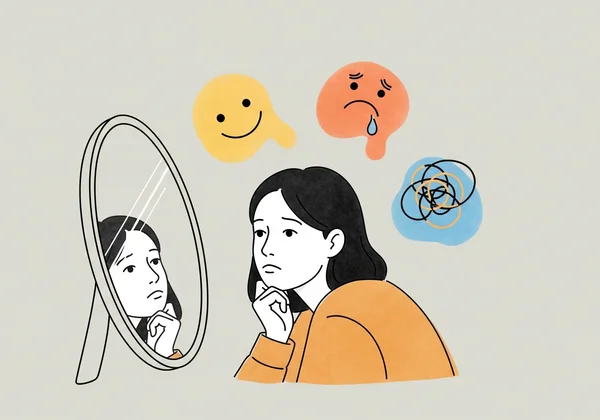
Understanding the OAQG-2: Your Guide to Emotional Assessment
Before diving into scores and subscales, it’s important to understand the tool itself. The OAQG-2 is a respected questionnaire designed to measure the traits associated with alexithymia, a term that describes difficulty in identifying and expressing emotions.
What is the OAQG-2 Alexithymia Questionnaire?
The OAQG-2 (Observer Alexithymia Questionnaire - G2) is a scientifically developed tool used by researchers and for self-exploration. It asks a series of questions about your personal experiences with feelings and thoughts. Unlike some tests that require an external observer, modern online versions like our self-assessment tool are designed for you to take on your own.
The goal of the questionnaire is to provide a structured way to look at your internal landscape. It helps quantify aspects of your emotional processing that can often feel vague or confusing, giving you a tangible starting point for reflection.
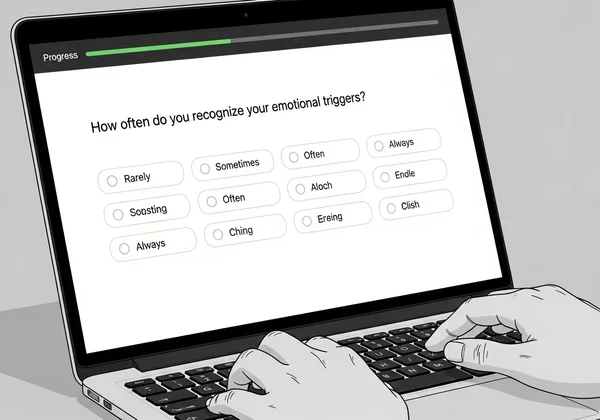
Why the OAQG-2 is Used for Alexithymia Traits
The OAQG-2 is valued because it is built upon established psychological concepts, including those from other well-known scales like the TAS-20. It is designed to be reliable and valid, meaning it consistently measures what it's supposed to.
Its primary purpose is to assess three key dimensions of alexithymia, which we will explore next. By breaking down emotional awareness into these components, the test offers a more nuanced view than a simple "yes" or "no" answer. It helps you see where your specific challenges or strengths might lie in the world of emotions.
The Three Pillars: OAQG-2 Subscales Explained in Detail
Your total score on an alexithymia test provides a general overview. However, the real insight comes from understanding the subscales. The OAQG-2 is typically broken down into three core components, each revealing a different facet of emotional processing.
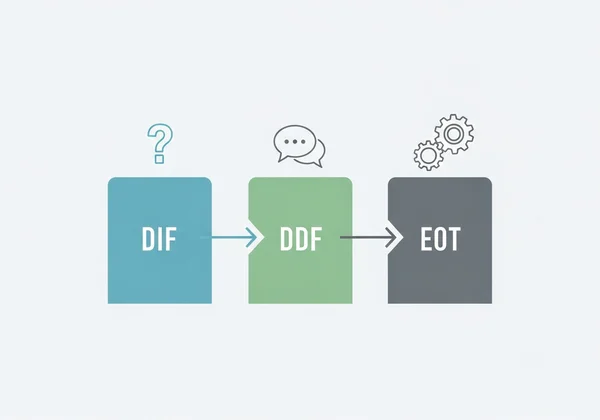
Difficulty Identifying Feelings (DIF): "What Am I Truly Feeling?"
This subscale measures the challenge of recognizing and naming your own emotions. People with high scores in this area might often feel a general sense of unease, tension, or physical sensation without being able to pinpoint the specific emotion behind it.
For example, you might feel your heart racing and palms sweating. Is it excitement? Anxiety? Fear? For someone with high DIF traits, distinguishing between these states can be genuinely difficult. They might say "I feel bad" or "I feel weird" because the precise emotional label is elusive. It’s a challenge of internal clarity.
Difficulty Describing Feelings (DDF): "How Do I Express It?"
This subscale focuses on the ability to communicate your emotions to others. A person can sometimes know what they are feeling internally (low DIF) but struggle to find the right words to explain it (high DDF).
This can be a source of frustration in relationships. A partner might ask, "How did that make you feel?" and the response might be a simple "I don't know," "Fine," or a description of events rather than emotions. This isn't a lack of caring; it's a genuine struggle to translate complex internal states into shared language. Exploring this can be a vital step toward improving communication, and our tool to understand your alexithymia traits can provide a first look.
Externally-Oriented Thinking (EOT): "Focusing on Facts, Not Feelings"
Externally-Oriented Thinking describes a cognitive style that prioritizes the external, factual details of events over the internal, emotional experience. Someone with a high EOT score tends to be practical, logical, and focused on problem-solving.
During a stressful workday, someone might focus on facts: 'The server crashed, then I had back-to-back meetings.' They’ll likely skip details about feeling overwhelmed. This focus on the "what happened" instead of "how I felt" is a key characteristic of this thinking style.
Interpreting Your OAQG-2 Scores & What They Mean for You
You’ve completed the test and have a score. Now comes the most important part: understanding what it means for you as an individual. Remember, a test score is not a label; it is a piece of information.
What Does a High Score on the OAQG-2 Indicate?
A high overall score on an OAQG-2 based test suggests you may have significant alexithymia traits. This means you likely experience some or all of the challenges described in the subscales: difficulty identifying feelings, difficulty describing them, and a tendency to focus on external events.
Many people find it helpful to remember: a high score isn't a flaw—it's just one way your mind processes emotions. It is simply a type of emotional processing style. Many successful, caring, and intelligent people have high alexithymia traits. Awareness is the first and most powerful step toward managing its impact on your life and relationships.
Understanding Score Ranges: From Low to High Alexithymia Traits
Most alexithymia tests will provide results that fall into a range. While specific numbers vary between tests, they generally categorize traits as:
- Low Traits: You likely have little to no difficulty identifying or expressing your emotions.
- Moderate Traits: You may experience some challenges with emotional awareness, perhaps in specific situations like under high stress.
- High Traits: You consistently find it difficult to connect with, understand, and communicate your emotional states.
Knowing where you fall on this spectrum can help you decide what your next steps might be, whether it's simple self-reflection or seeking strategies for growth.
Beyond the Numbers: The Value of Your AI Personalized Report
A score is a data point, but it doesn't tell the whole story. This is where modern tools can offer much more. After completing our free online test, you have the unique option to receive an AI Personalized Report.
This report goes beyond a simple number. It analyzes your unique pattern of answers to provide:
- In-depth Insights: Explanations of how your specific traits may affect your daily life, relationships, and well-being.
- Personal Strengths & Challenges: Highlighting your cognitive style and areas for potential growth.
- Actionable Advice: Concrete, personalized suggestions and strategies you can use to build greater emotional awareness.
This transforms your result from a static score into a dynamic guide for personal development.
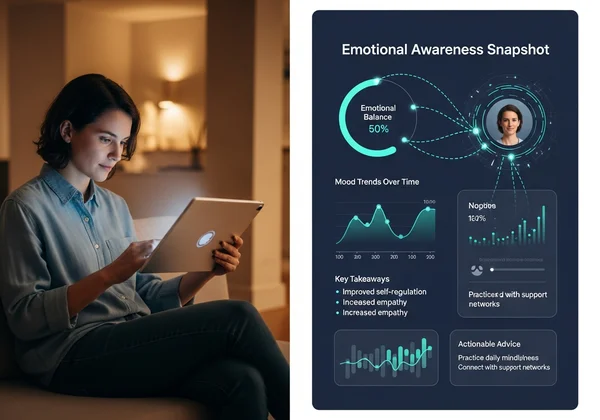
Your Journey to Deeper Emotional Insight
Understanding your OAQG-2 test results is a significant step on a journey of self-discovery. It’s not about finding something "wrong" with you, but about gaining a more accurate map of your inner world. By learning about concepts like DIF, DDF, and EOT, you gain a new language to understand your experiences.
A score is just the beginning. It's a signpost that points you toward greater self-awareness. What you do with that information is what truly matters. It can open doors to better communication, stronger relationships, and a more compassionate understanding of yourself.
Curious about your emotional awareness? Discover your emotional patterns: Take our free 5-minute test to get personalized, AI-powered insights. No login required.
Frequently Asked Questions About OAQG-2 & Emotional Awareness
Can an online alexithymia test self-diagnose me?
No. It is extremely important to remember that online tools like this one are for self-exploration and informational purposes only. They are not a substitute for a professional medical diagnosis. If you have serious concerns about your mental health, you should always consult a qualified psychologist, therapist, or medical doctor.
How does the OAQG-2 compare to the TAS-20 for alexithymia?
Both the OAQG-2 and the TAS-20 (Toronto Alexithymia Scale) are scientifically validated and widely respected questionnaires used to measure alexithymia traits. The TAS-20 is one of the most classic self-report scales. The OAQG-2 is another robust instrument that builds on similar psychological principles. The test on our website is inspired by these established concepts to provide a reliable and accessible experience for exploring these feelings.
Why do my feelings seem so confusing or hard to describe?
This is a very common experience and lies at the heart of what alexithymia describes. As we discussed, this difficulty can stem from challenges in identifying feelings (DIF) or in translating those feelings into words (DDF). It's not a personal failing but a difference in emotional processing. Understanding these concepts can be validating and help you feel less alone in your experience.
Is a high OAQG-2 score always a negative thing?
Not at all. A high score is simply information. While it may point to challenges, the cognitive style associated with it—such as being logical, practical, and fact-oriented—can be a great strength in many professions and situations. The goal is not to eliminate these traits but to build awareness around them, so you can develop new skills to balance your logical strengths with emotional insight.