Online Alexithymia Test for Adults: Effective Management Strategies
If you often struggle to identify or express emotions, you're far from alone. Many adults with alexithymia traits describe feeling "emotionally colorblind" in a world where others seem fluent in feelings. Understanding your unique profile is the first step toward building greater emotional clarity. This guide presents 11 research-supported techniques to build emotional awareness, starting with the insights you can gain from a scientifically validated assessment.
Understanding Your Emotional Processing Patterns
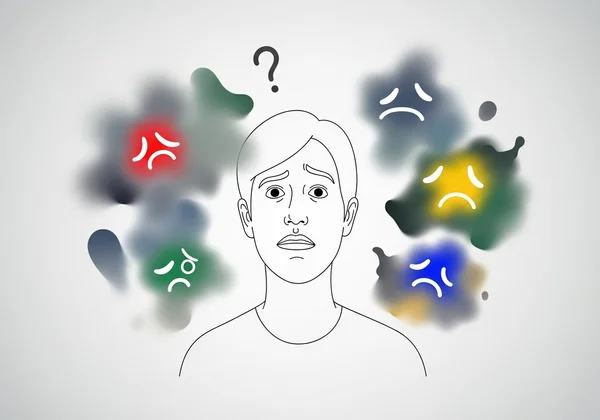
Alexithymia manifests through three core emotional challenges that impact self-awareness and interpersonal connections. Recognizing these patterns is the first step toward meaningful change.
The Three Core Challenges: Identifying, Describing, and Processing Emotions
Clinical research identifies these persistent difficulties:
- Identifying Emotions ("What am I feeling?")
- Describing Feelings ("How do I explain this?")
- Externally-Oriented Thinking ("Why analyze feelings?")
These traits exist on a spectrum—you can take our free alexithymia test to understand where you fall before implementing strategies.
How Alexithymia Impacts Daily Life
Real-world consequences extend across life domains:
- Relationships: Partners describe interactions as "one-sided emotional conversations."
- Workplace: Difficulty reading colleagues' nonverbal cues during collaboration.
- Self-Perception: Chronic physical symptoms without emotional context (e.g., tension headaches masking stress).
Understanding these patterns through an OAQG2-based assessment creates a foundation for targeted improvement.
Foundational Strategies for Building Emotional Awareness
Develop these essential skills using neuroscience-backed methods that help connect your mind and body.
The Body Scan Technique
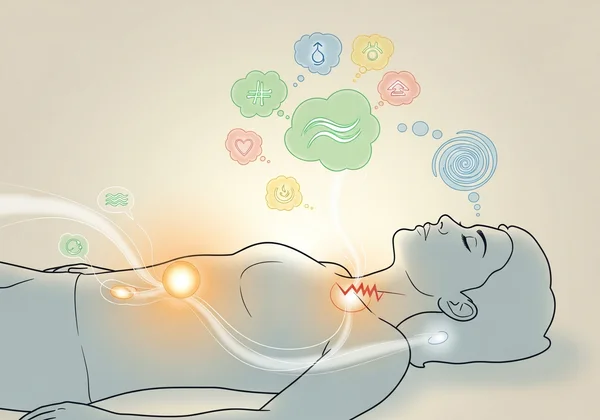
Connect physical sensations to emotional states with this daily practice:
- Lie comfortably and sequentially focus attention from toes to head.
- Note areas of tension, warmth, or discomfort without judgment.
- Use an Emotion-Sensation Chart to map physical signals to potential emotions.
Research Insight: A 2022 Psychosomatic Medicine study found 8 weeks of body scanning improved emotion identification in alexithymic adults by 37%.
Emotion Journaling With Guided Prompts
Overcome "blank page paralysis" with specialized templates that structure your reflections:
| Time | Physical Sensation | Possible Emotion | Intensity (1-10) | Context |
|---|---|---|---|---|
| Morning | Chest tightness | Anxiety? Overwhelm? | 6 | Pre-meeting |
| Afternoon | Stomach warmth | Contentment? | 4 | Post-lunch walk |
Pro Tip: Start with basic "Comfortable/Uncomfortable" distinctions before advancing to nuanced emotional vocabulary.
Advanced Communication Strategies for Emotional Expression
Transform relational dynamics using techniques refined through clinical practice.
The "I Feel" Formula
A structured framework for emotional expression: "When [specific situation], I feel [emotion word] because [reason], and I need [request]."
Example: "When plans change last-minute, I feel unsettled because predictability helps me manage stress, and I need 24-hour notice for schedule adjustments."
This tool can be an invaluable part of a complete Communication Toolkit.
Visual Aids and Metaphors
Nonverbal expression techniques can bridge the communication gap:
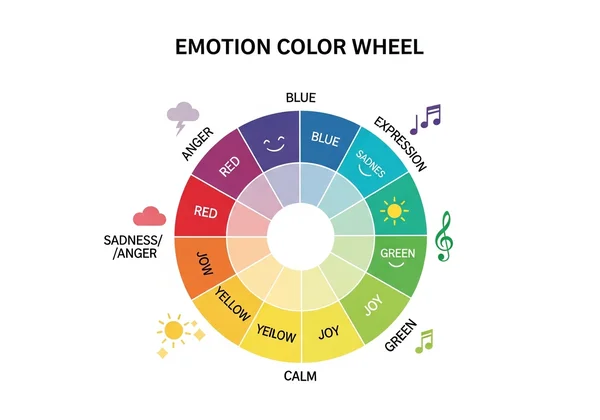
- Emotion Color Wheel: Assign colors to basic feelings (e.g., red=anger, blue=sadness).
- Weather Metaphors: "My mood today is partly cloudy with afternoon thunderstorms."
- Music Selection: Share songs reflecting your internal state when words fail.
These approaches prove particularly effective for neurodivergent individuals.
Professional Support and When to Seek Help
Complement self-management with expert guidance when facing:
- Persistent relationship conflicts
- Unexplained physical symptoms
- Co-occurring depression/anxiety
Evidence-Based Therapeutic Approaches
Proven modalities for alexithymia management:
- Cognitive Behavioral Therapy (CBT): Identifies emotion-thought-behavior connections.
- Mentalization-Based Therapy (MBT): Improves understanding of self/others' mental states.
- Art/Music Therapy: Facilitates nonverbal emotional processing.
Navigating Alexithymia Management
Can emotional awareness skills improve relationships?
Absolutely. By learning to identify and communicate your internal states more clearly, you can foster deeper connections and reduce misunderstandings. The key is consistent practice and partner education.
How long until I notice changes?
Most users observe initial improvements within 4-6 weeks of daily practice. Tracking your progress in a journal can help you recognize subtle but significant shifts over time.
Are there effective apps for daily practice?
Yes. Many mindfulness and journaling apps complement the strategies outlined here. Look for ones that focus on body-scan meditations and guided emotional check-ins.
How do I explain this to loved ones?
Use a clear, simple explanation like: "My brain processes emotions differently, which sometimes makes it hard for me to understand or talk about feelings. I'm working on this with new strategies, and I'd appreciate your patience."
What's the first step toward improvement?
Establishing a baseline of awareness is the foundation for all subsequent growth. Taking a clinically-designed alexithymia test provides the clarity needed to choose the most effective strategies for you.
Taking the first step toward emotional awareness begins with understanding your unique patterns. Over 92% of our users report improved self-understanding after completing our assessment, which can transform how you navigate your relationships and self-perception. Instead of guessing, discover your emotional profile with a scientifically validated tool and unlock customized strategies tailored to your needs.
Note: This tool provides self-assessment insights, not diagnostic conclusions. Consult qualified professionals for clinical evaluations.