Online Alexithymia Test for Adults: Symptoms, Causes, and Help
Have you ever felt like your emotions are a foreign language? You know you're feeling something, but the words to describe it are just out of reach. Friends or partners might ask what’s on your mind, and the honest answer is a frustrating, "I don't know." If this sounds familiar, you're not alone. This emotional disconnect has a name: alexithymia. But what is alexithymia, and how can you begin to understand it? This guide will walk you through its meaning, signs, and the paths you can take toward greater emotional clarity. Understanding your emotional landscape is a journey, and the first step is knowing where to begin. You can start exploring your own emotional patterns with a helpful online alexithymia test.
Understanding Alexithymia: What It Truly Means
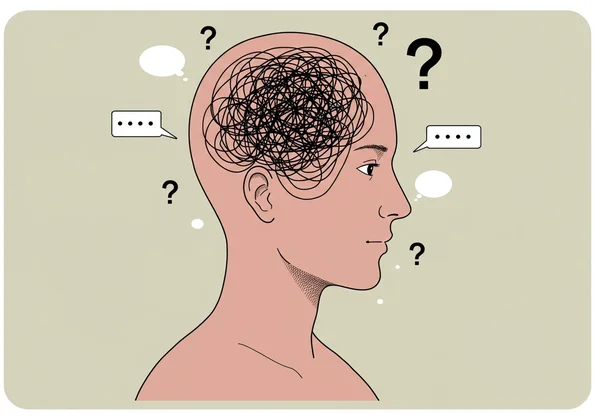
Alexithymia isn't a mental health disorder in itself but a personality trait characterized by a significant difficulty in recognizing, understanding, and describing one's own emotions. It's a disconnect between feeling an emotion and being able to consciously identify and articulate it. People with alexithymia aren't emotionless; they simply struggle with the vocabulary and awareness needed to process their feelings.
A Closer Look at the Alexithymia Definition
The term "alexithymia" literally means "no words for emotions." It describes a subclinical condition where individuals struggle with introspection and relating to their inner emotional world. Instead of saying "I feel anxious," a person with alexithymia might only notice physical sensations like a racing heart or tense muscles. They often focus on the external, logical details of a situation rather than the internal, emotional response it provokes.
Primary vs. Secondary Alexithymia: Are There Types?
It's helpful to know that alexithymia can show up in two primary ways. Primary alexithymia is considered an enduring personality trait, possibly linked to genetic or neurological factors. It's a stable part of who a person is. In contrast, secondary alexithymia develops in response to significant psychological trauma or prolonged stress, like Post-Traumatic Stress Disorder (PTSD). In this case, it acts as a coping mechanism, where the mind walls off overwhelming emotions to protect itself.
Alexithymia vs. Emotional Numbness or Apathy
People often confuse alexithymia with apathy or emotional numbness, but they are distinct concepts. Apathy is a lack of interest or motivation. Emotional numbness is the inability to feel emotions at all, often after a traumatic event. Alexithymia is different: the emotions are present, but there is a cognitive barrier to identifying and verbalizing them. The feeling is there, but the label is missing.
Recognizing the Signs: Common Alexithymia Symptoms
To identify alexithymia, pay attention to consistent patterns in behavior and how inner experiences are processed. The signs can be subtle but can have a big impact on your life and relationships. If you're wondering if these traits apply to you, a confidential alexithymia assessment can provide initial insights.
Core Symptoms: Difficulty Identifying and Describing Feelings
The clearest sign of alexithymia is a profound struggle to name your own emotions. You might feel a strong internal shift but be unable to label it as anger, sadness, or joy. This is often paired with a limited vocabulary for emotional expression. You may also find it challenging to distinguish between different emotions, lumping complex feelings into simple categories like "good" or "bad."
Impact on Daily Life: Behavior and Relationships
This emotional disconnect can make relationships challenging. If you have alexithymia, your partners may feel that you're being cold, distant, or uncaring, even when that’s not your intention. Social situations can be confusing because you might struggle to read emotional cues in others. You might also have a very logical, pragmatic thinking style, with limited imagination or fantasy life, as you tend to focus on external events rather than internal experiences.
Physical Sensations Instead of Emotional Language
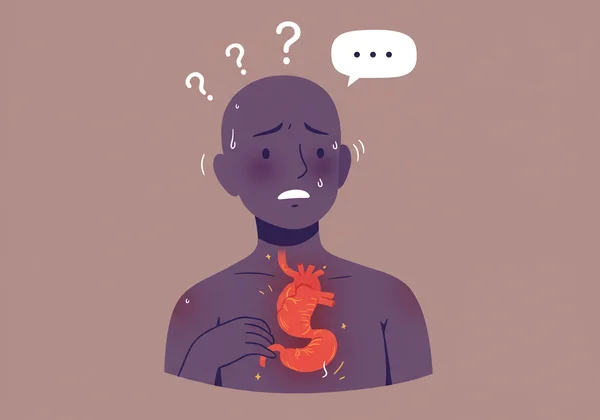
A classic sign of alexithymia is the tendency to describe emotions in terms of physical sensations. Instead of saying, "I'm nervous about the presentation," you might say, "My stomach feels tight." This is because you are more attuned to the body's physical response than the emotional label that accompanies it. This can lead to confusion and even health anxiety, as you may misinterpret these physical signs of emotion as symptoms of a medical illness.
Unraveling the Roots: What Causes Alexithymia?
The roots of alexithymia are complex and not fully understood, but research points to a combination of biological, environmental, and psychological factors. There isn't a single cause, but rather a collection of potential contributors that can lead to this trait.
Genetic Predisposition and Brain Differences
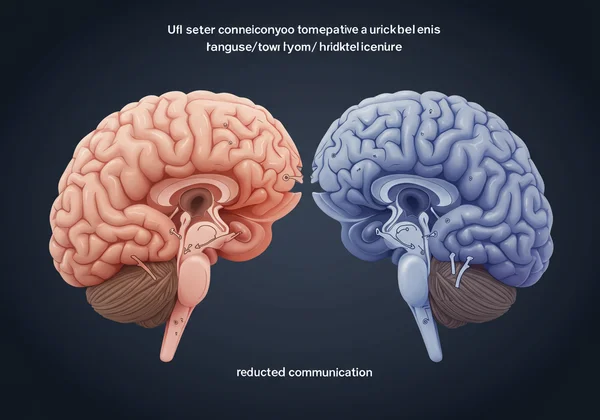
Some studies suggest a genetic component to alexithymia. Research has also shown differences in brain activity in individuals with high alexithymic traits. Specifically, there may be reduced communication between the brain's emotional centers (like the amygdala) and the higher-level cognitive centers responsible for language and self-awareness (the prefrontal cortex).
The Role of Trauma and Early Life Experiences
Trauma is a significant factor, particularly in secondary alexithymia. Experiencing a traumatic event can cause the brain to shut down emotional processing as a survival mechanism. Furthermore, early childhood environments where emotional expression was discouraged or ignored can prevent a person from developing the necessary skills to understand and talk about their feelings.
Comorbidity: Alexithymia and Other Conditions (e.g., ASD, ADHD)
Alexithymia is not a standalone diagnosis but frequently co-occurs with other conditions. It is particularly common in individuals on the autism spectrum (ASD), where estimates suggest up to 50% may have co-occurring alexithymia. It is also linked to ADHD, depression, anxiety disorders, and eating disorders. Understanding this overlap is crucial for providing effective support.
Finding Support: How to Get Help for Alexithymia
While alexithymia can be challenging, it is not a life sentence. With targeted effort and the right support, you can develop greater emotional awareness and improve your ability to connect with yourself and others. Taking the first step, like using an alexithymia questionnaire to gain self-awareness, can be empowering.
Therapeutic Approaches: CBT, Mindfulness, and Emotion-Focused Therapy
Several therapeutic modalities have proven effective. Skills-based therapies like Cognitive Behavioral Therapy (CBT) can help you connect your thoughts, physical sensations, and emotions. Mindfulness practices teach you to observe your internal states without judgment. Other approaches, like emotion-focused therapy, specifically work on building an emotional vocabulary and tolerance for experiencing feelings.
Practical Strategies for Improving Emotional Literacy
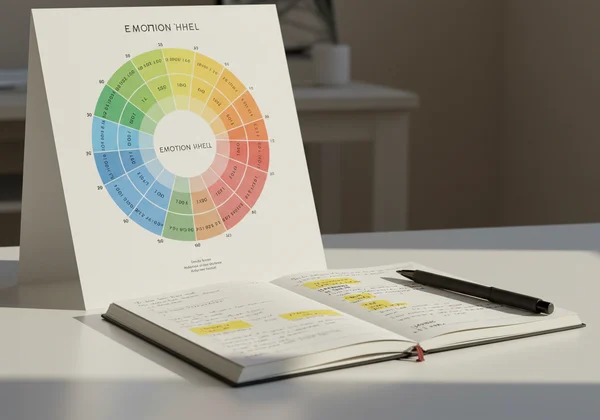
Self-help strategies can be incredibly beneficial. Keeping a journal to document situations and the physical sensations they cause can help identify patterns. Using an "emotion wheel" chart can provide the vocabulary needed to label feelings. Engaging in creative arts, like painting or music, can also offer a non-verbal outlet for emotional expression.
Communicating Alexithymia to Others
For those in relationships with someone who has alexithymia, patience and clear communication are key. It's helpful to ask direct, non-emotional questions (e.g., "What were you thinking about when that happened?") rather than open-ended ones like "How do you feel?". For individuals with alexithymia, learning to explain their experience to loved ones can reduce misunderstandings and build stronger bonds.
Taking the First Step Towards Emotional Understanding
While alexithymia brings unique challenges, it also opens a path to profound self-discovery. Recognizing these traits in yourself is not a label of defeat but the first, most crucial step toward building a richer inner life. By learning to tune into your body, build your emotional vocabulary, and seek support, you can bridge the gap between what you feel and what you understand.
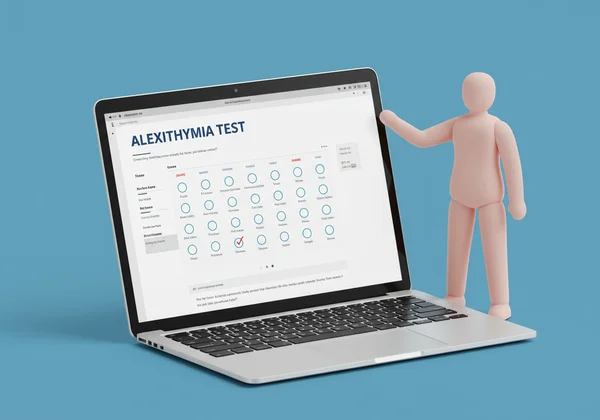
If you're ready to start this journey of exploration, consider taking our free, science-informed Alexithymia Test. It can provide a valuable starting point, offering a quick score or a comprehensive, personalized AI report to help you navigate your emotional world with greater confidence.
Frequently Asked Questions About Alexithymia
Can alexithymia be self-diagnosed?
While you can recognize the traits in yourself, alexithymia is not a formal medical diagnosis. Online tools like ours are designed for self-exploration and to provide informational insights. For a full assessment, it's always best to consult with a qualified mental health professional.
Is alexithymia a part of autism or ADHD?
Alexithymia is not an inherent part of autism or ADHD, but it is a common co-occurring trait, especially with autism. Many autistic individuals do not have alexithymia, and many people with alexithymia are not autistic. It is considered a separate condition that requires its own attention and support strategies.
Do people with alexithymia feel love or cry?
Yes, absolutely. People with alexithymia experience a full range of emotions, including love, joy, and sadness. They can form deep, meaningful bonds and cry in response to emotional events. The difficulty lies not in feeling the emotion, but in consciously identifying, processing, and expressing it with words.
What is the difference between alexithymia and emotional numbness?
Emotional numbness is the absence of feeling; it's like an emotional void. Alexithymia is the presence of feelings without the cognitive awareness or vocabulary to describe them. Someone with alexithymia feels the physical rush of anger or the weight of sadness but may not be able to name the feeling itself.
Can alexithymia be "fixed" or improved?
Since alexithymia is a personality trait, not a disease, "fixing" it isn't the goal. However, emotional awareness and expression skills can absolutely be improved. Through therapy, dedicated practice, and tools for self-reflection, individuals can significantly enhance their ability to connect with their inner emotional world. Exploring your profile with our assessment tool is a great way to begin.