Online Alexithymia Test for Adults: Understanding Symptoms, Causes, and Management
Have you ever felt like your emotions are a foreign language, making it impossible to describe what you're feeling inside? This disconnect can be confusing and isolating. If this sounds familiar, you may be experiencing alexithymia—a specific set of traits affecting how you identify and communicate feelings. This guide explores its symptoms, causes, and management strategies.
Understanding your emotional landscape is the first step toward personal growth and better relationships. To begin your journey of self-discovery, you can explore your results with a scientifically-informed assessment.
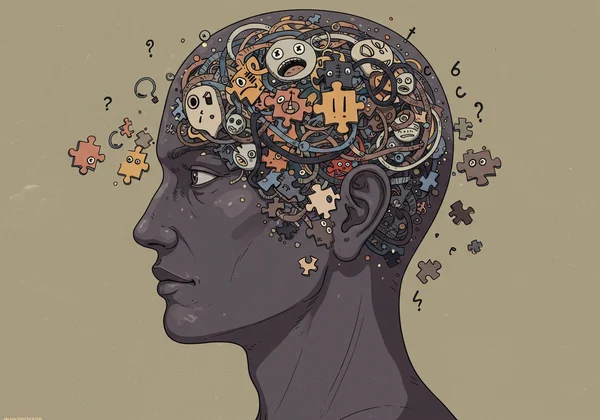
Defining Alexithymia: More Than Just 'Emotionally Unavailable'
Alexithymia, from Greek for "no words for emotions," is not a mental health disorder but a personality trait. It's characterized by a marked difficulty in recognizing, understanding, and describing one's own emotions. People with high alexithymic traits often struggle to differentiate between feelings and the bodily sensations that accompany them. For instance, they might recognize their heart is racing but not connect it to anxiety or excitement.
It’s a common misconception to label someone with these traits as cold, uncaring, or "emotionally unavailable." The reality is more nuanced. An internal emotional experience may still exist, but the cognitive tools to process and articulate it are limited. This can make forming deep, emotionally intimate connections challenging, both for the individual and those around them.
Understanding the Core Traits of Alexithymia
Psychologists identify several core characteristics that form the foundation of most alexithymia assessments:
- Difficulty Identifying Feelings: The primary challenge is pinpointing specific emotions. An individual might feel generally "uncomfortable" or "bad" without being able to label the feeling as sadness, anger, or fear.
- Difficulty Describing Feelings to Others: Even when an emotion is vaguely identified, conveying it verbally is a significant hurdle, leading to misunderstandings in relationships.
- Externally-Oriented Thinking Style: There's a tendency to focus on external events and concrete details rather than internal thoughts and feelings. Conversations often center on the "what" and "how" of a situation, skipping the emotional impact.
- Limited Imagination: This often manifests as a scarcity of daydreams or fantasies, replaced by a pragmatic, logical approach to life.
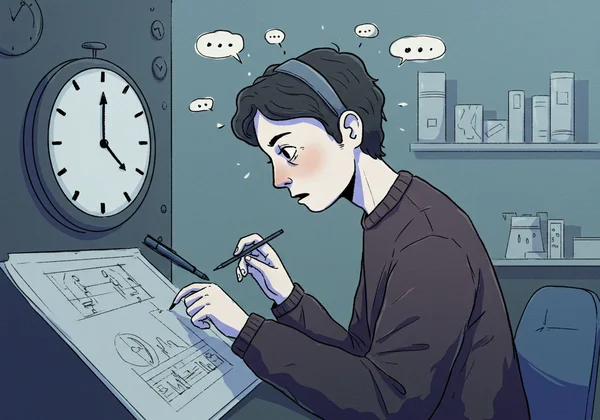
Primary vs. Secondary Alexithymia: Distinguishing the Types
Alexithymia can manifest in two main types, which have different origins and potential pathways for management.
- Primary Alexithymia: This is considered an enduring personality trait that may have neurobiological or genetic roots. It is typically present from early in life and is often associated with certain neurodevelopmental conditions.
- Secondary Alexithymia: This type develops in response to significant psychological trauma (like PTSD) or as a symptom of another condition like chronic depression. It can be seen as a coping mechanism where emotional processing shuts down to survive an overwhelming experience. This type can often lessen as the underlying condition is treated.
Recognizing Alexithymia Symptoms and Signs
Identifying the signs of alexithymia is crucial for self-awareness and seeking support. These signs appear in both outward behaviors and internal experiences. If you recognize these patterns in yourself, an online alexithymia test can be a useful starting point.
Common Behavioral Indicators and Social Impact
The difficulty with emotional processing often translates into observable behaviors. Someone with high alexithymic traits might come across as overly logical, detached, or even robotic. They may struggle with empathy—not because they don't care, but because they find it difficult to imagine another person's emotional state when they can't fully grasp their own.
In social settings, they might seem aloof, have few close friends, or prefer conversations about hobbies over personal experiences. In relationships, partners may feel a lack of emotional intimacy, leading to frustration.
Internal Experiences: How Alexithymia Feels From Within
Internally, living with alexithymia can be perplexing. Individuals often report feeling a sense of emptiness or confusion about their inner lives. They may experience physical symptoms like stomach aches without realizing they are manifestations of stress.
A common question is, can a person with alexithymia cry? Yes. Crying can occur as a physiological response to overwhelming situations, but the person may not be able to connect the act of crying to a specific emotion like sadness or grief. It might feel like a bodily function that happens to them, rather than an expression of a deep internal feeling.
What Causes Alexithymia? Exploring the Roots
Alexithymia is believed to result from a complex interplay of biological, psychological, and social factors. Understanding these potential origins helps to de-stigmatize the trait.
Neurological and Genetic Factors
Research suggests that differences in brain structure and function may play a role. Areas of the brain responsible for processing emotions, like the anterior cingulate cortex and the insula, may function differently in individuals with high alexithymic traits. There is also evidence for a genetic component, meaning the trait can sometimes run in families.
Environmental and Trauma Responses
Life experiences, particularly in early childhood, are highly influential. An environment where emotions were ignored or punished can inhibit the development of emotional awareness. Furthermore, alexithymia is strongly linked to trauma. When faced with unbearable pain, the brain may develop a protective mechanism to disconnect from feelings. So, is alexithymia a trauma response? For many, it is.
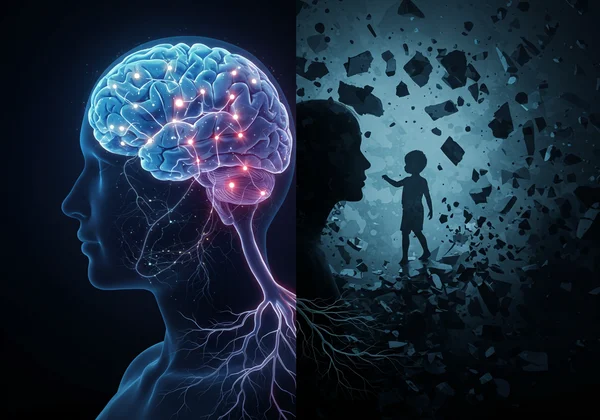
Alexithymia and Co-occurring Conditions
Alexithymia often appears alongside other conditions, where it is a related but distinct feature requiring its own attention.
The Link Between Alexithymia and Autism Spectrum Disorder (ASD)
There is a significant overlap between alexithymia and autism. Studies show that many autistic individuals also have high alexithymic traits. We now know that much of the social-emotional difficulty once attributed to autism can be explained by co-occurring alexithymia. Recognizing this distinction is vital for providing the right support, as many autistic people without alexithymia are, in fact, hyper-empathetic.
Alexithymia, Trauma, Depression, and Anxiety
Alexithymia is also commonly found in individuals with PTSD, depression, and anxiety disorders. The inability to process and regulate emotions can exacerbate the symptoms of these conditions. For example, unrecognized anxiety might manifest purely as physical tension, preventing a person from using mental strategies to calm down. If you're curious about your own emotional profile, a free self-assessment can offer valuable insights.
Managing Alexithymia: Strategies for Growth and Connection
While often a lifelong trait, alexithymia is not a sentence of emotional disconnection. With targeted strategies, individuals can develop greater emotional awareness and improve their ability to connect with themselves and others.
Therapeutic Approaches: From CBT to Emotion-Focused Therapy
Several therapeutic modalities have shown promise. Skills-based therapies like Cognitive Behavioral Therapy (CBT) can help individuals learn to connect their thoughts, feelings, and physical sensations. Emotion-focused therapies guide clients in learning to tolerate, identify, and express feelings in a safe environment. Group therapy can also be beneficial for practicing these new skills.
Practical Self-Help Techniques and Emotional Awareness Exercises
Building emotional literacy can start at home with simple, consistent practices.
-
Feelings Journal: Each day, write down what happened and try to connect it to a physical sensation or a potential feeling using an "emotion wheel" or list.
-
Mindfulness and Body Scans: These practices help you pay closer attention to your body's signals, building the bridge between physical sensations and emotions.
-
Engaging with Art: Reading fiction, watching emotionally rich films, or listening to music can help you learn about emotions through stories, building an emotional vocabulary by proxy.

Improving Communication in Relationships with Alexithymia
For those in relationships, open communication is key. Partners can learn that a lack of emotional expression isn't a sign of not caring. Using "I" statements and focusing on concrete behaviors is more effective than asking "How do you feel?" For example, saying "I feel lonely when we don't spend time together" is more actionable than a question that may be impossible to answer.
Your Journey to Emotional Understanding Starts Here
Alexithymia is a complex but understandable trait that affects how a person connects with their inner world. It's not a character flaw but a different way of processing emotions, with roots in neurology, genetics, and life experience. Recognizing its signs, understanding its causes, and exploring management strategies can empower you to build a richer, more connected life.
The path to emotional awareness begins with curiosity. If this guide has resonated with you, consider exploring your own emotional profile. You can take the alexithymia test on our website to receive an immediate score and unlock a unique AI Personalized Report with actionable insights.
Frequently Asked Questions About Alexithymia
How do you tell if you have alexithymia?
Common signs include persistent difficulty identifying your feelings, trouble describing emotions, and focusing on external events over your inner state. If you suspect you have these traits, taking a scientifically-based screening tool, like the alexithymia test for adults on our site, can provide a preliminary assessment.
Can you self-diagnose alexithymia?
While you can recognize the traits in yourself, alexithymia is not a formal diagnosis in the DSM-5. Online tests are screening tools for self-exploration, not diagnosis. For a formal evaluation, consult with a qualified mental health professional.
Can a person with alexithymia cry?
Yes. Crying is a physical response to stimuli like stress or pain. However, a person with high alexithymic traits may not be able to connect the act of crying with a specific underlying emotion like sadness, grief, or joy.
What is the best therapy for alexithymia?
There isn't a single "best" therapy. However, skills-based approaches like Cognitive Behavioral Therapy (CBT), Dialectical Behavior Therapy (DBT), and emotion-focused therapies are often recommended to help build an emotional vocabulary and connect thoughts, sensations, and feelings.
Is alexithymia part of autism?
No, but they are highly co-occurring. Many autistic people experience emotions deeply but have difficulty processing and expressing them due to alexithymia. It is a distinct trait that can exist with or without autism. Understanding this is key to providing appropriate support. You can start to get your results and understand your own profile today.