Online Alexithymia Test for Adults: Your Guide to Emotional Understanding
Do you feel disconnected from your emotions, as if you're trying to read a book in a language you don’t understand? Perhaps others say you're hard to read, or you find it difficult to grasp why people feel the way they do. If this sounds familiar, you're not alone, and there's a term for this experience: alexithymia. This guide will walk you through its definition, symptoms, causes, and pathways to greater emotional clarity.
For many, the first step is gaining awareness. If you're ready to begin your journey of self-exploration, a structured assessment can provide valuable insights. You can explore your feelings with a test designed to illuminate your unique emotional profile.
What is Alexithymia? Defining the Trait
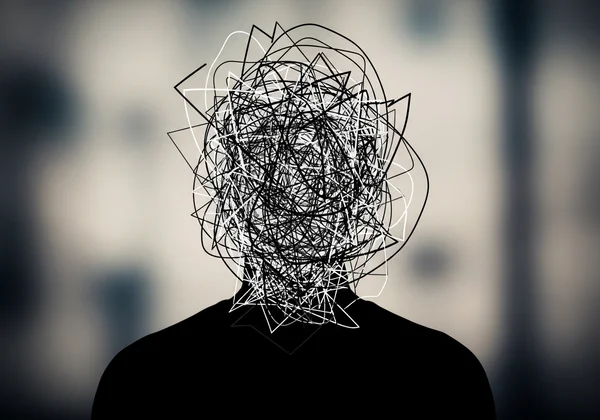
Alexithymia is not a mental health disorder but a personality trait characterized by difficulty identifying, describing, and processing one's own emotions. The term literally means "no words for emotions." It's often described as a form of emotional disconnect, where a person experiences feelings physically but struggles to connect them to an emotional label. This isn't about being cold; individuals with alexithymia have emotions, but the conscious awareness and articulation of them is the challenge.
More Than Just Being "Unemotional": Core Characteristics
Beyond stereotypes, alexithymia involves specific difficulties in emotional processing. Key characteristics include:
- Identifying Feelings: Struggling to label physical sensations as emotions (e.g., a racing heart isn't recognized as anxiety).
- Describing Feelings: Finding it hard to articulate internal emotions to others, causing relational frustration.
- Externally-Oriented Thinking: A tendency to focus on facts and external events over internal emotional states or fantasies.
- Limited Imagination: Often manifests as a pragmatic, logical approach to life with fewer dreams or fantasies.
Primary vs. Secondary Alexithymia
It's helpful to distinguish between two main types. Primary alexithymia is considered a stable, lifelong personality trait that may have neurological underpinnings. In contrast, secondary alexithymia is typically acquired as a response to significant psychological trauma or chronic stress, acting as a defense mechanism where the mind walls off overwhelming emotions.
Recognizing Alexithymia Symptoms
The signs of alexithymia can be subtle and are often mistaken for other traits, like being introverted or stoic. Recognizing these patterns is the first step toward understanding. If you're wondering whether these traits apply to you, an online alexithymia test can offer a preliminary look.
Difficulty Identifying and Describing Your Own Feelings
This is the hallmark symptom. You might answer "I don't know" when asked how you feel, or describe physical sensations instead of emotions. For example, instead of "I'm sad," you might say, "I feel heavy."
Trouble Understanding and Responding to Others' Emotions
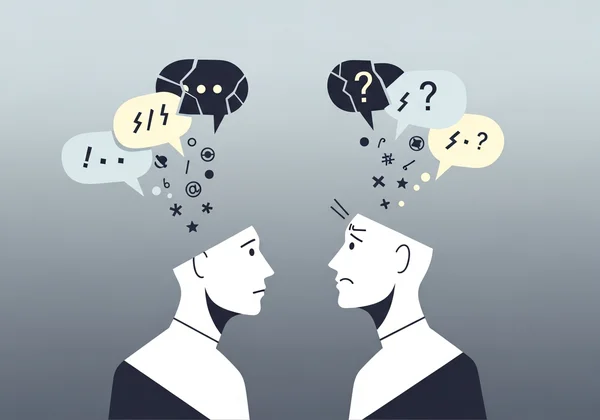
Because processing your own emotions is difficult, it can be equally hard to recognize them in others. This can lead to misunderstandings in social situations, where you might appear to lack empathy, even when you genuinely care.
A Focus on External Reality Over Internal Experiences
Conversations may gravitate toward logistical details rather than emotional impact. When a friend describes a breakup, your focus might be on the practical next steps rather than the feelings of loss. This isn't a lack of caring, but a different mode of processing the world.
Exploring the Roots: What Causes Alexithymia?
There isn't a single cause for alexithymia; it’s often the result of a complex interplay between genetics, brain function, and life experiences.
Neurological Factors and Brain Differences
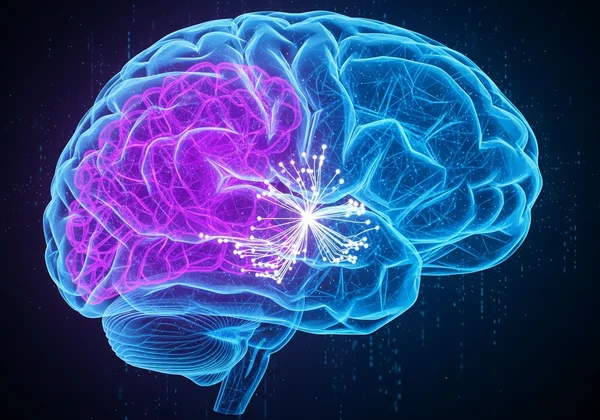
Some studies suggest alexithymia is linked to differences in how certain brain regions communicate. Specifically, there may be reduced connectivity between the brain's emotional centers and the areas responsible for language and conscious thought, creating a "bottleneck" for emotional signals.
The Role of Trauma and Environmental Influences
For many, alexithymia is a trauma response. Severe or prolonged trauma, especially in childhood, can teach the brain to shut down emotional processing as a survival tactic. When feelings become too overwhelming, the mind learns to disconnect, leading to secondary alexithymia.
Alexithymia's Connections with Other Conditions
Alexithymia frequently co-occurs with several other conditions. Understanding these connections is vital for a holistic view. A confidential alexithymia questionnaire can be a helpful starting point for self-discovery.
Alexithymia and the Autism Spectrum (ASD)
There is a significant overlap between alexithymia and autism. While they are distinct, a large percentage of autistic individuals also have alexithymia. This can make it difficult to determine whether social challenges stem from core autistic traits or from the co-occurring difficulty in processing emotions.
Links to Depression, Anxiety, and PTSD
When emotions aren't recognized, they can manifest as chronic low mood, depression, or physical symptoms of anxiety without a clear trigger. This makes traditional talk therapy challenging until the underlying alexithymia is addressed. Similarly, the emotional numbing found in Post-Traumatic Stress Disorder (PTSD) strongly overlaps with the characteristics of secondary alexithymia.
Living and Thriving with Alexithymia
Living with high alexithymic traits can be challenging, but a fulfilling life and meaningful relationships are entirely possible. The key is to develop awareness and find alternative strategies for connection. Taking an initial alexithymia test for adults can be an empowering first step.
Communication Strategies for Individuals
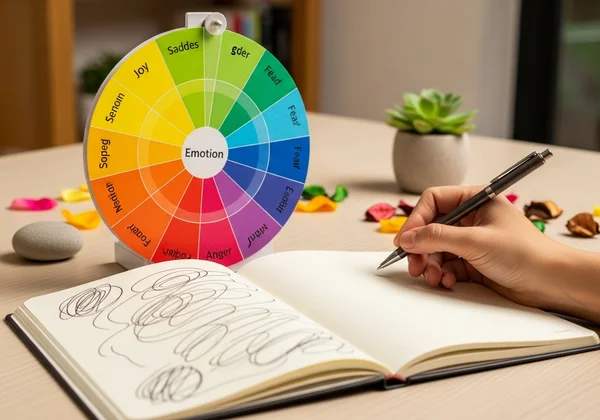
Since "How do you feel?" is a difficult question, try using tools like an "emotion wheel" to build a vocabulary for feelings. It's also effective to communicate in terms of needs and actions. For instance, instead of trying to articulate "sadness," you might say, "I need some quiet time alone today."
Building Deeper Connections in Relationships
For partners and friends, understanding that a lack of emotional expression isn't a lack of love is crucial. Couples can find success by focusing on shared activities, practical support, and physical affection as primary ways of showing care. Openly discussing communication styles can bridge the emotional gap. The journey starts with understanding; get your results to begin.
Navigating Workplace & Social Situations
In professional settings, focusing on observable behaviors and clear, logical communication is a strength. It can be helpful to learn to "read" social cues intellectually, almost like learning a new language. This analytical approach can help navigate emotionally charged situations more comfortably.
Pathways to Growth: Coping Skills and Treatment
While there's no "cure," it is absolutely possible to improve emotional awareness and develop skills to manage alexithymia more effectively. Growth is a gradual process focused on building new neural pathways.
Developing Emotional Literacy: Techniques & Exercises
-
Journaling: Instead of focusing on feelings, write about the physical sensations and events of the day. Over time, start connecting them to potential emotions.
-
Mindfulness and Body Scans: These practices train you to pay close attention to physical sensations, which are the raw data of emotions.
-
Engaging with Art: Reading fiction or watching emotionally rich films can help you learn how emotions are expressed and structured.
Therapeutic Approaches
Skills-based therapies like Cognitive Behavioral Therapy (CBT) and Dialectical Behavior Therapy (DBT) provide concrete tools for identifying thoughts and linking them to emotions and behaviors. Somatic therapies that focus on the mind-body connection are also highly effective.
Embracing Self-Compassion and Gradual Progress
Be patient and kind to yourself. Learning a new emotional language takes time. Celebrate small victories, like identifying one new feeling, and remember that this is a path of self-discovery, not a problem to be fixed. If you're curious, you can take the free test anytime.
Your Journey to Emotional Awareness
Understanding alexithymia is about unlocking a deeper part of yourself and finding new ways to connect with the world. It’s not about changing who you are, but about adding new tools to your toolkit for a richer, more explored life. Recognizing these patterns is a monumental first step that reframes challenges from personal failings into understandable traits that can be navigated with compassion.
Ready for Deeper Insight? Try Our Alexithymia Test
If this guide has resonated with you, the next logical step is to gain a more personalized perspective. You can take a reliable, free online alexithymia test based on established psychological concepts. This assessment can provide you with a summary score for immediate insight and offers the option of a more in-depth report for tailored, actionable advice.
The Takeaway
What are the main symptoms of alexithymia?
The core symptoms include difficulty identifying your own feelings, trouble describing them to others, a limited imagination, and a thinking style focused on external events over your internal world. Many experience this as feeling emotions physically but not being able to label them mentally.
Can I self-diagnose alexithymia through an online test?
Online tests, like the free test available here, are excellent screening tools for self-exploration and awareness. They can indicate if you have high traits of alexithymia, but they are not a formal medical diagnosis. For a clinical assessment, consult a qualified mental health professional.
Is alexithymia a permanent condition?
While primary alexithymia is a stable trait, the ability to recognize and manage emotions can be significantly improved. Through therapy, mindfulness, and emotional literacy exercises, individuals can develop new skills and build greater emotional awareness over time.
How is alexithymia different from being emotionally reserved?
Emotional reservation is often a conscious choice not to express emotions outwardly, even while being aware of them. In contrast, a person with alexithymia has a genuine difficulty knowing what they are feeling in the first place.
Do people with alexithymia feel love or empathy?
Yes. People with high alexithymic traits feel love and care for others, but they may express it differently—often through practical actions, loyalty, and commitment. Empathy can also exist as "cognitive empathy" (understanding someone's perspective) even if "affective empathy" (feeling what they feel) is less intense. To better understand your own profile, you can discover your results on our site.