Online Alexithymia Test Scales: TAS-20, OAQG-2, BVAQ Explained
Ever felt like your emotions are a foreign language? You know they're there, but the words to describe them won't come. This is a central feature of a trait called alexithymia. But if you can't describe your feelings, how do you tell if you have it? Psychologists have developed specialized tools to answer that very question. Understanding them is the first step toward emotional clarity, starting with a reliable alexithymia test.
These instruments, known as psychometric scales, provide a structured way to explore our inner emotional world. They're not just for researchers; they are powerful tools for anyone on a path of self-discovery. In this article, we'll demystify the most respected alexithymia scales, including the TAS-20, BVAQ, and the OAQG-2, which is the foundation for the free tool we offer here.
What Are Alexithymia Scales and Why Are They Used?
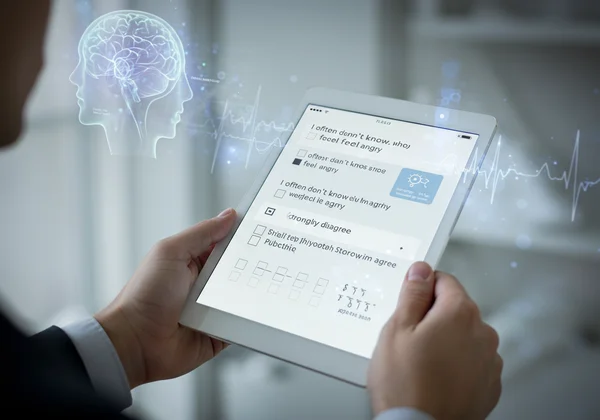
At its core, an alexithymia scale is a questionnaire designed to measure the key traits of alexithymia, such as difficulty identifying feelings, trouble describing them to others, and an externally-oriented thinking style. Instead of a simple "yes" or "no," these scales provide a nuanced score that reflects where you might fall on a spectrum. They are an essential part of any high-quality alexithymia test for adults.
These tools are crucial because they transform a vague feeling of being "out of touch" with emotions into something measurable and understandable. For an individual, this can be incredibly validating. For a therapist or researcher, it provides a consistent baseline for tracking progress or conducting studies.
The Importance of Standardized Measurement in Alexithymia Assessment
A standardized scale means the questions have been tested and validated on large groups. This ensures the tool is reliable (produces consistent results) and valid (accurately measures what it claims). This scientific rigor separates a quality alexithymia assessment from a random online quiz. It provides a common language for discussing emotional processing challenges, fostering deeper understanding and support.
Key Characteristics of Effective Alexithymia Questionnaires
When evaluating different alexithymia questionnaires, psychologists look for a few key features. Strong validity and reliability are paramount, ensuring the results are meaningful. The questions should be clear, easy to understand, and relevant to the everyday experiences of those with alexithymia traits. Furthermore, modern scales are often assessed for cultural sensitivity to ensure they are applicable across diverse populations. These principles guide the selection of the best tools for both clinical use and self-exploration.
The Toronto Alexithymia Scale (TAS-20) Explained
When people discuss measuring alexithymia, the Toronto Alexithymia Scale, or TAS-20, is often the first name that comes up. It's considered the gold standard in academic research and has been used in hundreds of studies worldwide for decades. Its widespread use has made it a benchmark against which other scales are often compared.
History and Development of the TAS-20
Developed in 1994, the TAS-20 is a 20-item self-report questionnaire that has become the most widely used measure of alexithymia. Its creation marked a significant step forward in operationalizing the concept, making it possible to study alexithymia systematically in relation to other conditions like autism, trauma, and depression. Its history is a testament to the ongoing effort to understand the landscape of human emotion.
Understanding TAS-20 Items and Scoring
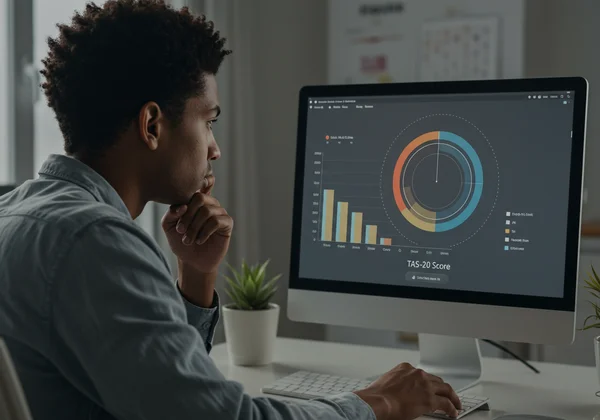
The TAS-20 asks participants to rate statements like "I am often confused about what emotion I am feeling" on a 5-point scale. The final scoring interpretation is based on the total sum, with established cutoff points suggesting low, possible, or high alexithymia traits. A high score on this alexithymia test typically indicates significant difficulty in identifying and describing feelings, providing a clear data point for self-reflection or clinical discussion.
Strengths and Limitations of the TAS-20
The greatest strength of the TAS-20 is its extensive validation in research, giving its results a high degree of credibility. However, some critics argue that its focus is primarily on the cognitive aspects of alexithymia—the "thinking about feelings" part. It may not as deeply explore the affective dimension, which involves the actual experience and sensation of emotion. This has led to the development of other scales that aim to provide a more comprehensive picture.
Introducing the Bermond-Vorst Alexithymia Questionnaire (BVAQ)
Another important tool in the field is the BVAQ, or Bermond-Vorst Alexithymia Questionnaire. While less known to the general public than the TAS-20, the BVAQ offers a different and valuable perspective on the structure of alexithymia. It is particularly appreciated in research settings for its nuanced approach.
Unique Aspects and Dimensions of the BVAQ Scale
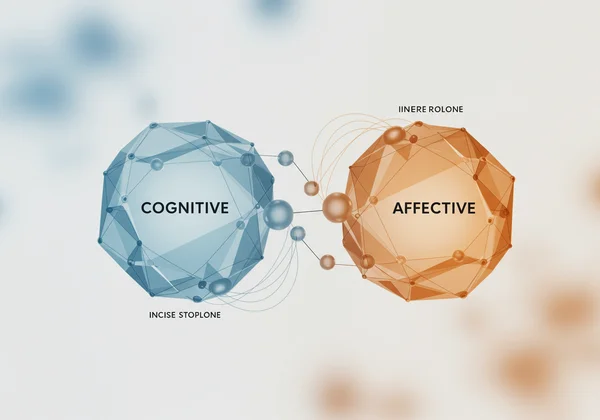
The BVAQ is unique because it explicitly separates alexithymia into cognitive and affective dimensions. For example, it distinguishes between not being able to identify a feeling (cognitive) and having a limited capacity to fantasize or imagine (affective). This multi-dimensional approach allows for a more detailed profile of an individual's emotional processing style, which can be incredibly useful for targeted therapeutic strategies.
When and Why the BVAQ is Used in Research
Researchers often turn to the BVAQ when they want to investigate the different subtypes of alexithymia. For example, a study might explore whether alexithymia linked to trauma looks different from alexithymia associated with neurodivergence. The BVAQ's ability to parse out these subtleties makes it an invaluable instrument for advancing our scientific understanding of this complex trait. You can discover your results using a modern approach.
The OAQG-2 Test: Our Foundational Approach
At our platform, we chose to base our assessment on the principles of the OAQG-2 test. This modern questionnaire was selected because it aligns perfectly with our goal: to provide a user-friendly, insightful, and actionable tool for self-exploration, especially for adults and neurodivergent individuals.
Why OAQG-2 Aligns with Our Core Values and Goals
The OAQG-2 framework offers a comprehensive assessment that is both robust and easy to understand. Its concepts are well-suited for our target audience, providing relevant insights without overly clinical jargon. We believe that a good self-assessment should be the start of a conversation, not the end. The OAQG-2's structure allows us to build upon the results and provide something more than just a number. It forms the perfect foundation for an online alexithymia test designed for empowerment.
How Our AI Personalized Report Enhances OAQG-2 Insights
This is where we go a step further. After completing the questionnaire on our site, you don't just get a score. You have the option to receive a unique AI Personalized Report. This report takes your OAQG-2-based results and analyzes them to provide in-depth, customized feedback. It highlights your personal strengths, identifies specific challenges, and offers concrete, actionable suggestions for improving your emotional awareness. This combination of a scientifically-informed scale and advanced AI analysis offers a level of personal insight that a simple score cannot match.

Choosing the Right Alexithymia Test for Your Needs
With several scales available, you might wonder which is the right one for you. The truth is, they all offer valuable information. The best choice depends on your specific goals, whether it's for academic research, clinical assessment, or personal growth. Taking an alexithymia test online can be a great starting point for anyone curious about their emotional profile.
Comparing TAS-20, BVAQ, and OAQG-2: A Quick Overview
- TAS-20: The research standard. Best for a widely recognized, credible score. Its focus is primarily cognitive.
- BVAQ: The nuanced tool. Excellent for distinguishing between cognitive and affective alexithymia traits, mainly used in research.
- OAQG-2 (Our approach): The user-focused solution. Designed for practical self-exploration, providing a solid foundation for the actionable insights in our AI report. It's an ideal choice if you want to start your journey of self-understanding.
The Role of Self-Assessment vs. Professional Diagnosis
It is critically important to remember that online tools like ours are for informational and educational purposes only. They are designed for self-exploration and can be a fantastic resource for personal growth or for bringing information to a therapist. However, they are not a substitute for a formal clinical diagnosis from a qualified mental health professional. If you have serious concerns about your mental health, please seek professional guidance.
Unlock Your Emotional Landscape with Trusted Tools
Understanding the tools used to measure alexithymia—from the foundational TAS-20 to the nuanced BVAQ and the modern OAQG-2—demystifies the process of exploring our inner worlds. These scales are more than just academic instruments; they are gateways to self-awareness. They provide a structured language to discuss something that often feels indescribable, empowering us to take the next step.
By choosing a tool grounded in scientific principles, you ensure that your journey of discovery is built on a solid foundation. This knowledge can help you better understand your relationships, navigate your career, and cultivate a richer, more connected life.
Ready to explore your own emotional landscape with a trusted, scientifically-informed tool? Take our free alexithymia test today and unlock deeper insights with your optional AI Personalized Report!
Frequently Asked Questions About Alexithymia Assessment
Can You Self-Diagnose Alexithymia Through an Online Test?
No, you cannot self-diagnose alexithymia with an online test. These tests are screening tools designed for self-exploration and to provide an indication of your traits. A formal diagnosis must be made by a qualified healthcare professional, like a psychologist or psychiatrist, who can consider your full personal history. Our free assessment is a great first step to gather information for yourself or to share with a professional.
What is Considered a High Score on an Alexithymia Test?
A "high score" varies by the specific scale being used. For the widely used TAS-20, a score of 61 or higher is generally considered to indicate high alexithymia traits. However, it's crucial to see this as a point on a spectrum, not a rigid label. A high score simply suggests you may experience significant challenges in identifying and expressing emotions.
How Do Alexithymia Test Results Help in Understanding Myself?
The results provide a concrete framework for your feelings. Instead of a vague sense of being "different," a test can pinpoint specific areas of difficulty, such as distinguishing between emotions or describing them. This clarity can be incredibly validating and serves as a starting point for targeted self-improvement strategies, like those offered in our AI personalized report.
Is the OAQG-2 Test Validated for Adults and Neurodivergent Individuals?
Yes, the principles behind the OAQG-2 are particularly well-suited for adults, including those in the neurodivergent community. The concepts it measures are relevant to the life experiences of adults and are sensitive to the unique emotional processing styles often seen in conditions like Autism Spectrum Disorder (ASD). This makes it an effective and empathetic tool for a diverse range of users looking to explore their feelings.